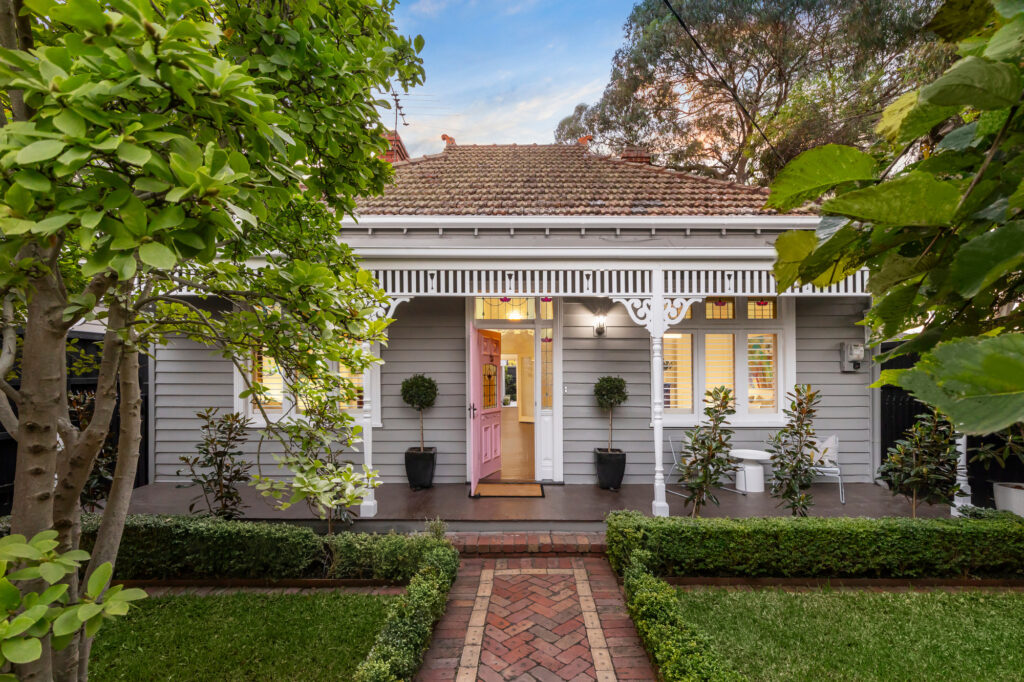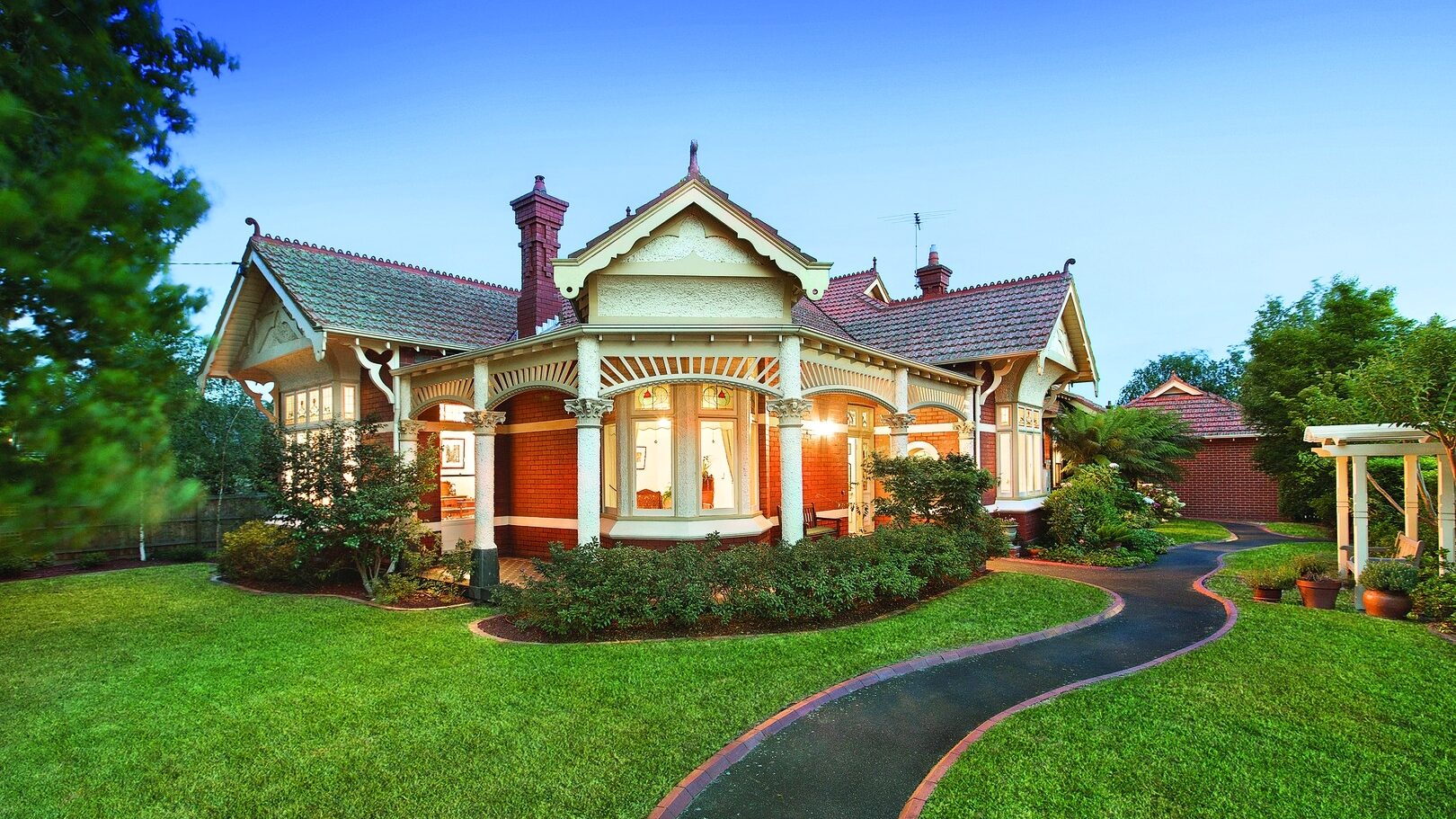
Edwardian/Federation homes are some of Melbourne’s most recognisable period properties.
You’ll find them throughout many established inner and middle-ring suburbs, including areas such as South Yarra, Prahran, Windsor, Armadale, Malvern, Hawthorn, Camberwell, Kew, Elsternwick, St Kilda and beyond.
Built from 1901 through to the First World War era, these homes draw heavily on Victorian architecture and the period known as Queen Anne (c1895-1910).
‘Edwardian’ refers to the style of home (named after King Edward) that was made popular at the time of Federation in Australia; thus Federation homes are now known as the Australian version of Edwardian architecture, and the terms are used interchangeably.
No two are exactly the same, which is part of their appeal. An Edwardian home can feel grand and formal, relaxed and cottage-like, or beautifully reimagined with a modern extension.
So, what features should you look for?
Red Brick Façades
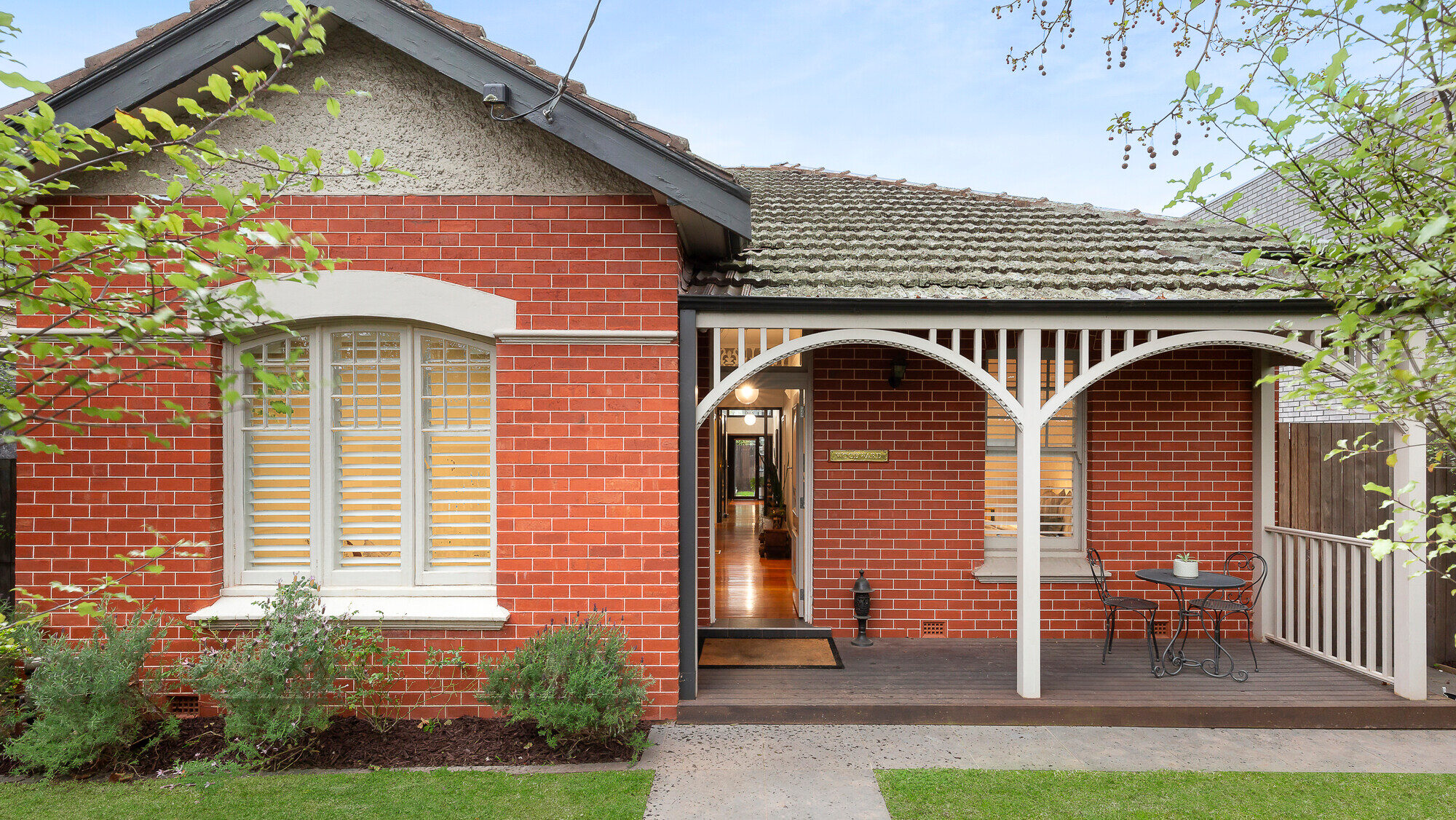
One of the clearest signs of an Edwardian/Federation home is its rich red brick exterior.
Unlike many earlier Victorian homes, which often used rendered finishes or more restrained façades, Federation-era homes embraced brickwork as a major design feature. Deep red or red-brown face brick was commonly used, often paired with cream, white or contrasting trim.
You may also notice tuckpointing, where fine lines are worked into the mortar joints to create a crisp, highly detailed finish. This gives the brickwork a more refined, decorative appearance and adds to the home’s street appeal.
Asymmetrical Design
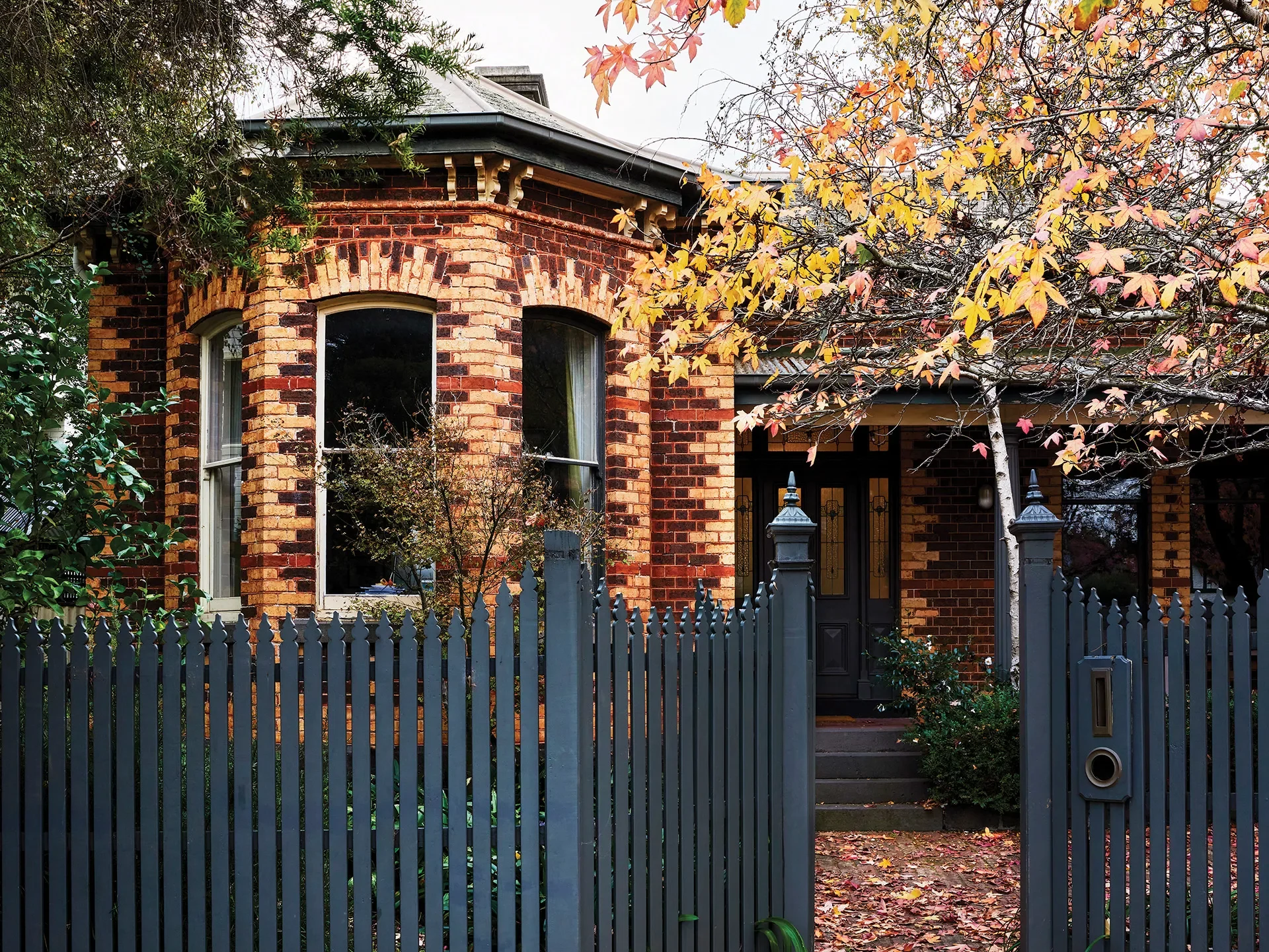
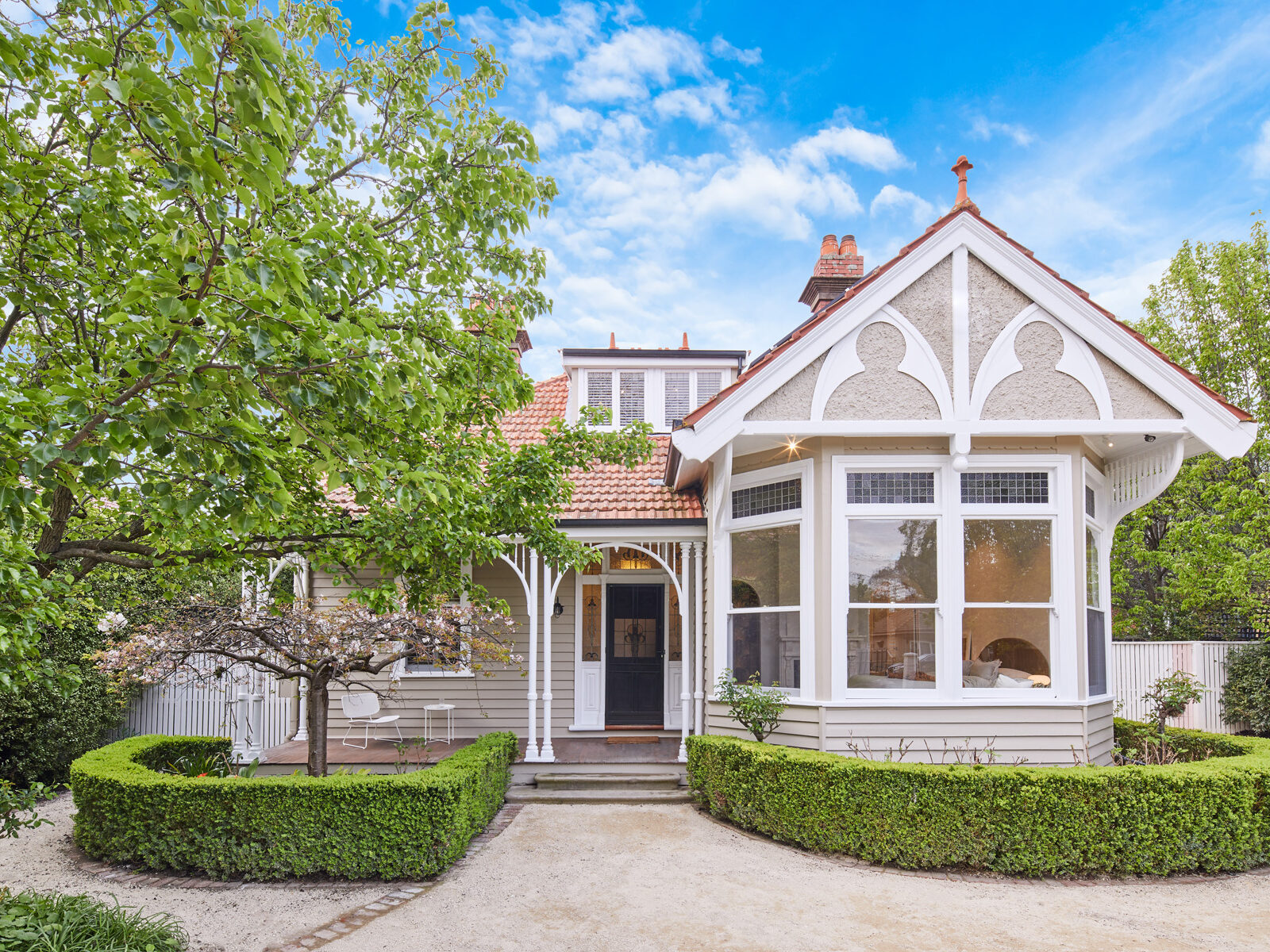
Federation homes rarely feel perfectly balanced or symmetrical from the street. Instead, they often feature a more dynamic, layered façade.
Common elements include:
• Projecting bay windows
• Offset front entries
• Gabled rooflines
• Multi-level roof forms
• Verandahs that wrap or step around the front of the home
This asymmetry gives Federation homes their distinctive sense of movement and character. Rather than appearing flat or formal, the façade feels more expressive, with different architectural elements working together to create depth.
Timber Fretwork and Decorative Detail
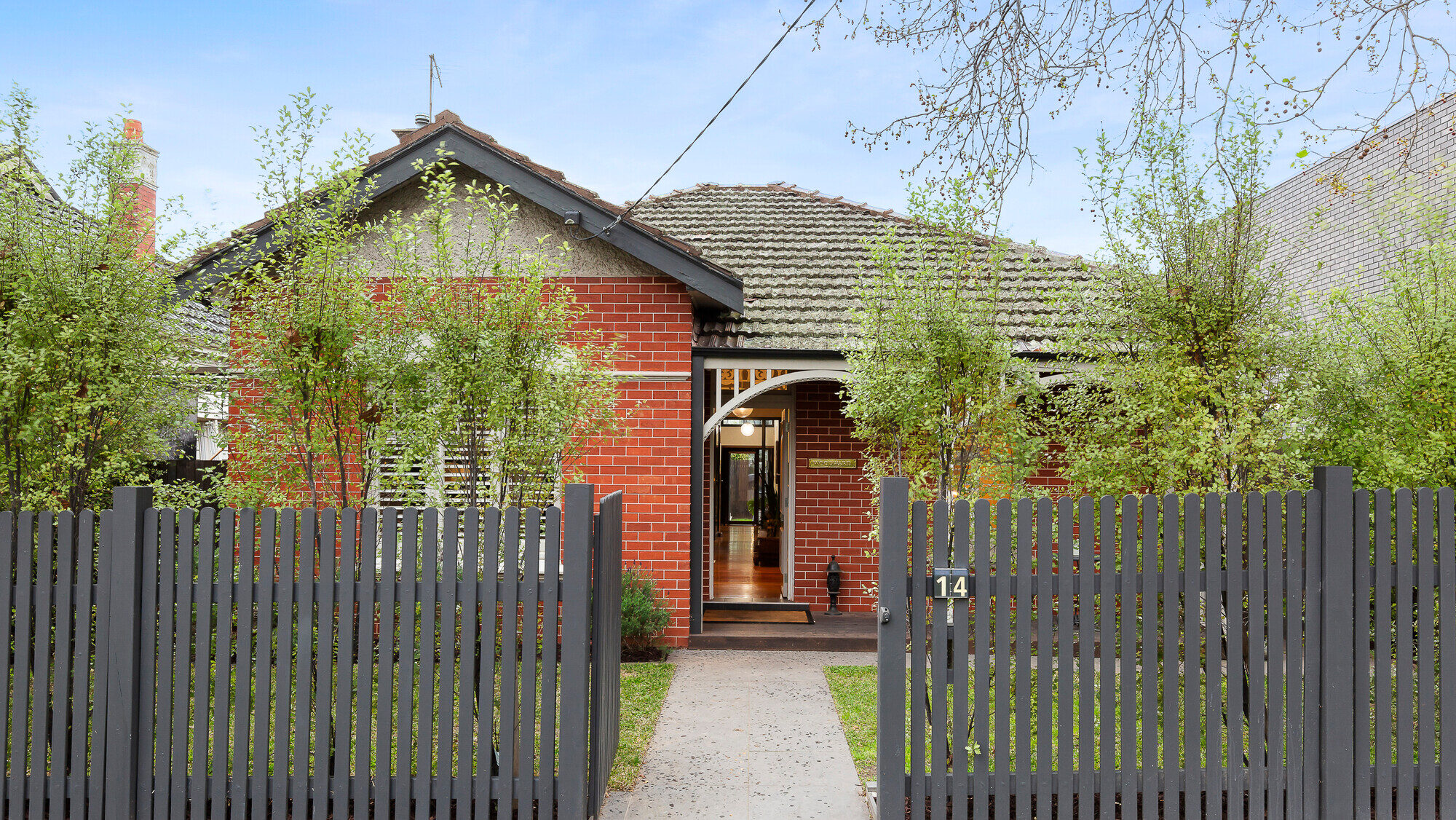
As Australian homes began moving away from Victorian cast-iron lacework, Federation design embraced timber detailing.
Look for timber fretwork around verandahs, entryways and gables. These handcrafted decorative elements often soften the architecture and give the home a warmer, more relaxed feel.
Other common timber features include:
• Decorative brackets
• Turned timber posts
• Picket fences
• Timber-framed windows and doors
• Ornamental gable detailing
This timberwork is one of the reasons Federation homes feel so charming and approachable. They have detail, but usually in a less formal way than earlier Victorian terraces and villas.
Dominant Rooflines
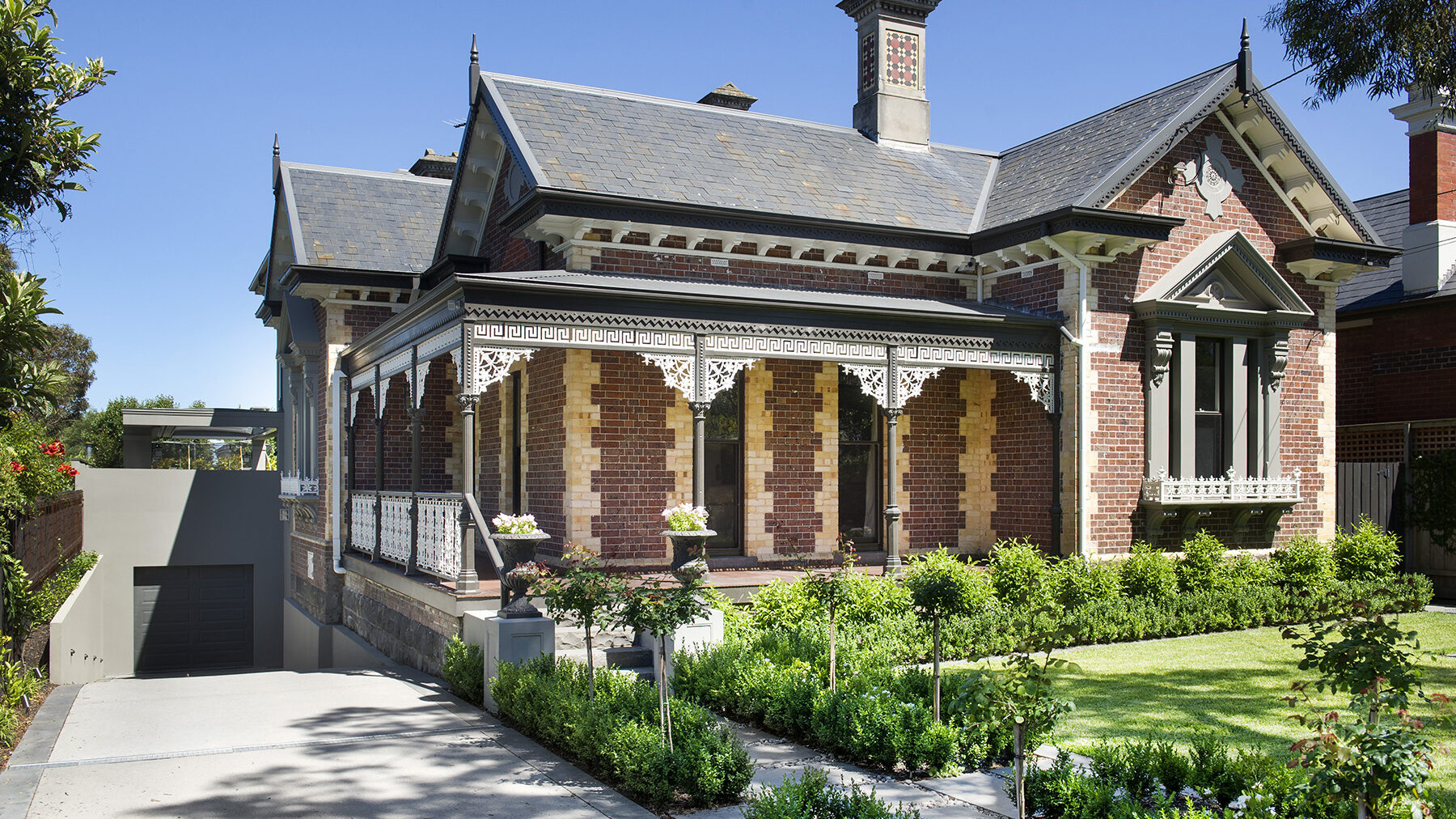
The roof is often one of the most striking features of an Edwardian/Federation home.
Many homes from this era have highly pitched roofs, often finished in terracotta tiles, slate or corrugated iron. You may also see decorative ridge capping, finials, tall chimneys and prominent gables.
These rooflines are not just functional. They play a major role in the home’s overall character, helping create the bold silhouette that makes Federation architecture so easy to recognise from the street.
Generous Verandahs
The verandah is central to the Federation home.
Unlike the narrow front porches found on some earlier homes, Edwardian and Federation properties often feature broad, welcoming verandahs that feel like a true extension of the home.
These spaces were designed for shade, airflow and connection to the garden; practical features that suited the Australian climate. Many also include beautiful tessellated floor tiles, timber posts, fretwork and decorative entry details.
A good Federation verandah gives the home a strong sense of arrival. It frames the entry, softens the façade and adds a relaxed, distinctly Australian feel.
Stained Glass Windows
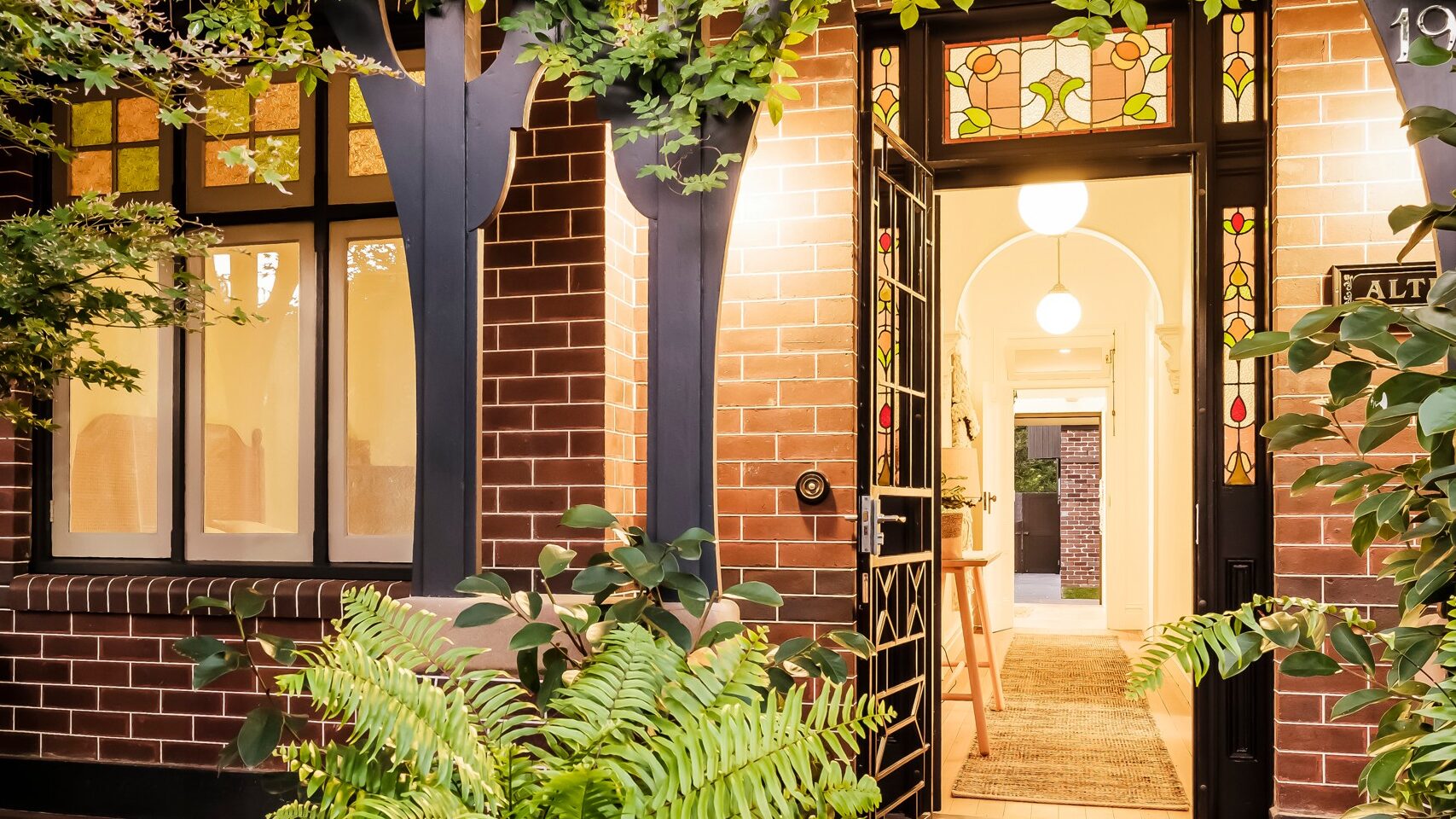
Stained glass is another hallmark of the style, particularly around the front entry.
You’ll often see stained glass in front doors, sidelights, highlight windows and bay windows. Designs may include floral motifs, native Australian flora and fauna, geometric patterns or Art Nouveau-inspired shapes.
These details add colour, craftsmanship and personality to the home. They also create beautiful filtered light inside, especially in hallways, front rooms and living spaces.
Period Details Inside
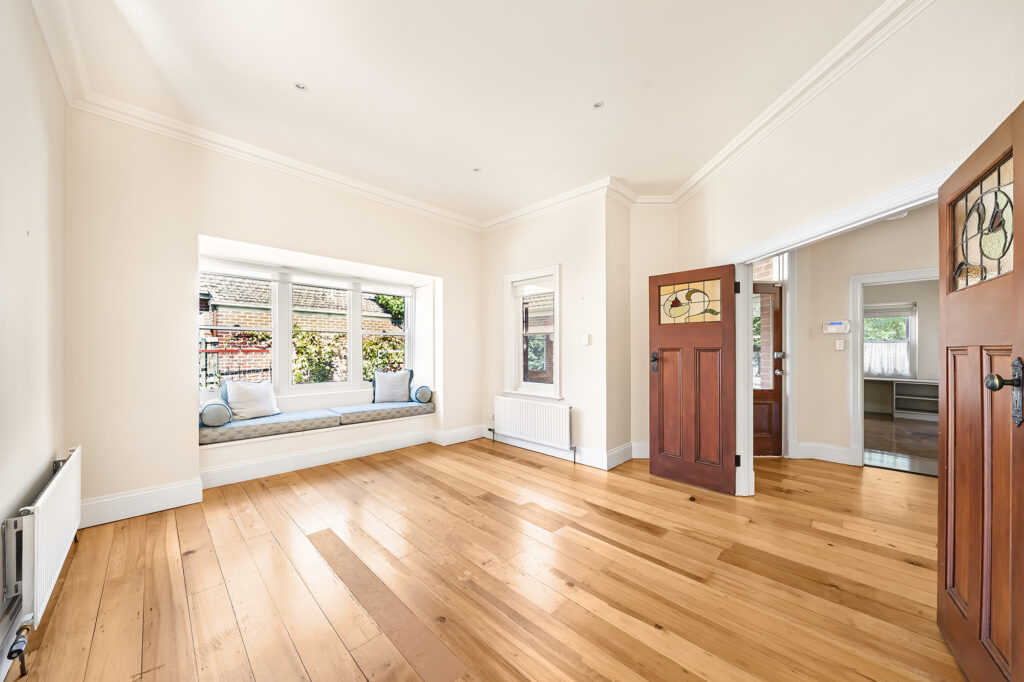
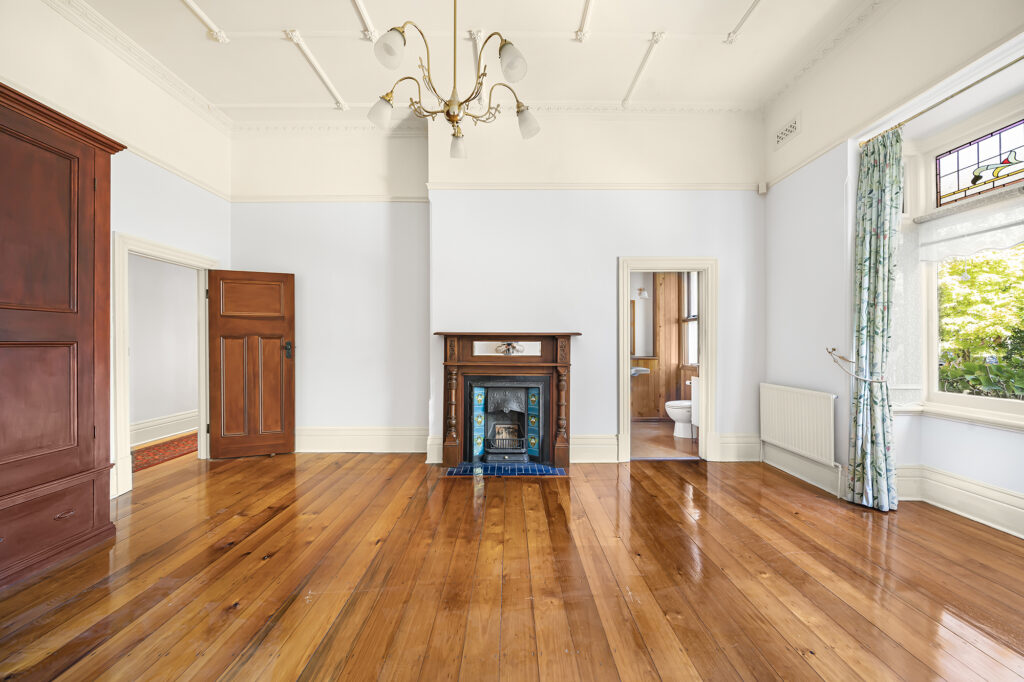
The character continues inside, where many Edwardian/Federation homes retain beautiful original features.
Common internal details include:
• Decorative ceiling roses
• Ornate cornices
• Timber skirting boards
• Architraves
• Fireplaces
• Timber floorboards
• Picture rails
• High ceilings
These details are a major part of the appeal. Even when a home has been renovated, retaining these original elements helps preserve its sense of history and warmth.
The best modern updates usually work with these features rather than against them; pairing period character with contemporary kitchens, bathrooms, open-plan living and improved indoor-outdoor flow.